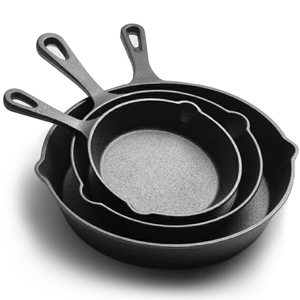

Direct factory supply of heavy-duty, thermal-efficient, and scratch-resistant hard anodized kitchenware customized for Northern European commercial and retail markets.
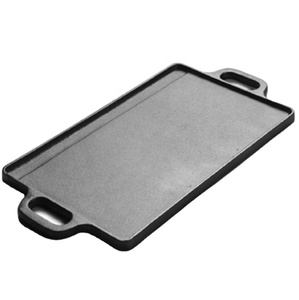
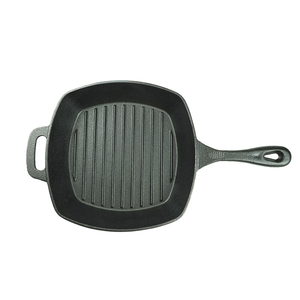
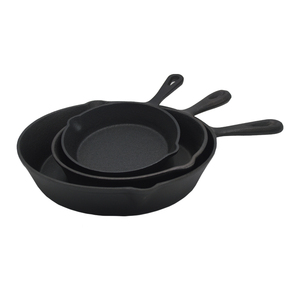
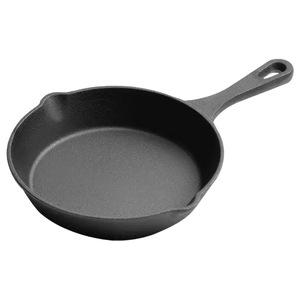
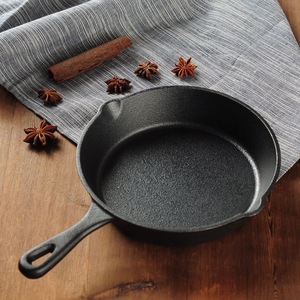
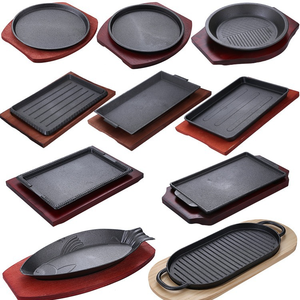
Why electrochemical anodization delivers superior thermal efficiency, mechanical strength, and non-reactive food safety compared to traditional cookware substrates.
Hard anodization is an electro-chemical process that transforms the surface of high-grade aluminum alloys (typically 3003 or 5052 series) into a dense, integrated oxide layer ($Al_2O_3$). Submerging the aluminum vessel into a chilled sulfuric acid bath while applying low-voltage direct current causes controlled oxidation. The result is an amorphous layer of sapphire-hard aluminum oxide that is molecularly bonded to the base metal, eliminating any risk of peeling, flaking, or chipping.
For Danish commercial and retail buyers, our factory executes Type III Hardcoat Anodizing, achieving oxide layer thicknesses between 45 to 55 microns ($\mu m$). This engineered barrier yields a surface hardness exceeding 400 Vickers (HV)—making it twice as hard as stainless steel while retaining aluminum's legendary thermal conductivity.
Thermal Conductivity Benchmark: Hard Anodized Aluminum conducts heat at approximately 237 W/m·K, compared to 16 W/m·K for 304 Stainless Steel and 52 W/m·K for Cast Iron. This enables 15x faster thermal transfer and 40% lower energy consumption on Nordic electrical grids.

| Performance Metric | Type III Hard Anodized | 304 Stainless Steel | Pre-Seasoned Cast Iron | Standard PTFE Non-Stick |
|---|---|---|---|---|
| Surface Hardness (Vickers HV) | 400 - 500 HV | 180 - 220 HV | 250 - 300 HV | 20 - 40 HV |
| Thermal Conductivity (W/m·K) | 237 W/m·K | 16.2 W/m·K | 52 W/m·K | 200 W/m·K (Substrate) |
| Acid Reaction & Corrosion Resistance | 100% Inert (pH 4.0 - 9.0) | Highly Inert | Reactive to Acidic Foods | Inert until Scratched |
| Maximum Oven Temperature | Up to 450°C (842°F) | Up to 500°C (932°F) | Up to 400°C (752°F) | Degrades above 260°C |
| Induction Efficiency (with Steel Base) | 94.8% Rating | 88.2% Rating | 91.5% Rating | 90.0% Rating |
Tailored cookware solutions supporting traditional Danish cooking techniques, Scandinavian modern interior designs, and high-efficiency commercial operations.
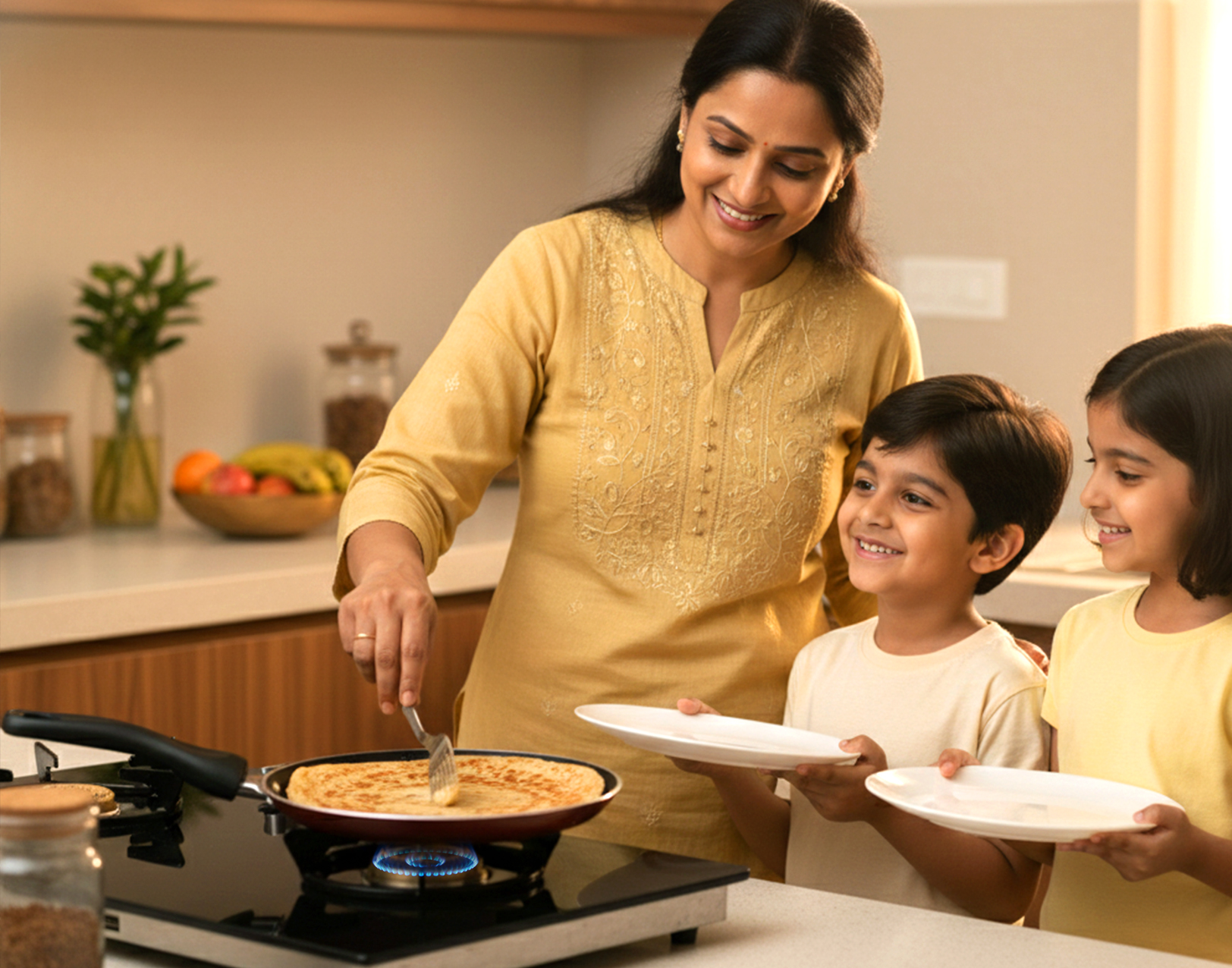
Danish households prioritize aesthetic minimalist design combined with practical functionality. Our hard-anodized cookware features ergonomic stainless steel handles, sleek dark graphite matte exteriors, and scratch-resistant surfaces that withstand daily preparation of rye bread baking, slow stewing, and Frikadeller frying without staining.
Professional kitchens in Copenhagen, Aarhus, and Odense demand cookware that survives non-stop 16-hour kitchen shifts. Our deep anodized sauté pans and heavy grill platters handle rapid thermal shocks from high-heat gas burners to ice baths without warping, offering Danish chefs reliable pan-searing performance for game, fish, and seasonal vegetables.
With over 85% induction cooktop penetration in Danish urban residences, our factory integrates a high-pressure cold-impacted AISI 430 stainless steel bottom plate. This ensures full induction magnetic connectivity, rapid energy coupling, and flat-bottom stability on glass surfaces (Miele, Bosch, Siemens, Electrolux).
Ensuring full regulatory alignment with Denmark’s Fødevarestyrelsen mandates, European Union directives, and green sustainability goals.
Importing cookware into Denmark requires absolute compliance with European Union Food Contact Material framework regulation (EC) No 1935/2004 and Good Manufacturing Practice standard (EC) No 2023/2006. Furthermore, our products adhere strictly to the Danish Veterinary and Food Administration (Fødevarestyrelsen) national legislation (Bekendtgørelse om fødevarekontaktmaterialer), ensuring zero migration of hazardous heavy metals.
Denmark leads Europe in environmental accountability. Our manufacturing plant operates under zero-wastewater discharge protocols during sulfuric anodization, recovering 92% of process water through closed-loop reverse osmosis filtration systems.
100% Recyclable Aluminium Alloys: At the end of its multi-decade operational lifecycle, hard anodized aluminum can be remelted and recycled into secondary industrial alloys with 95% energy savings compared to primary aluminum smelting.
7615.10.80 — Table, kitchen or other household articles, of aluminium (Anodized).
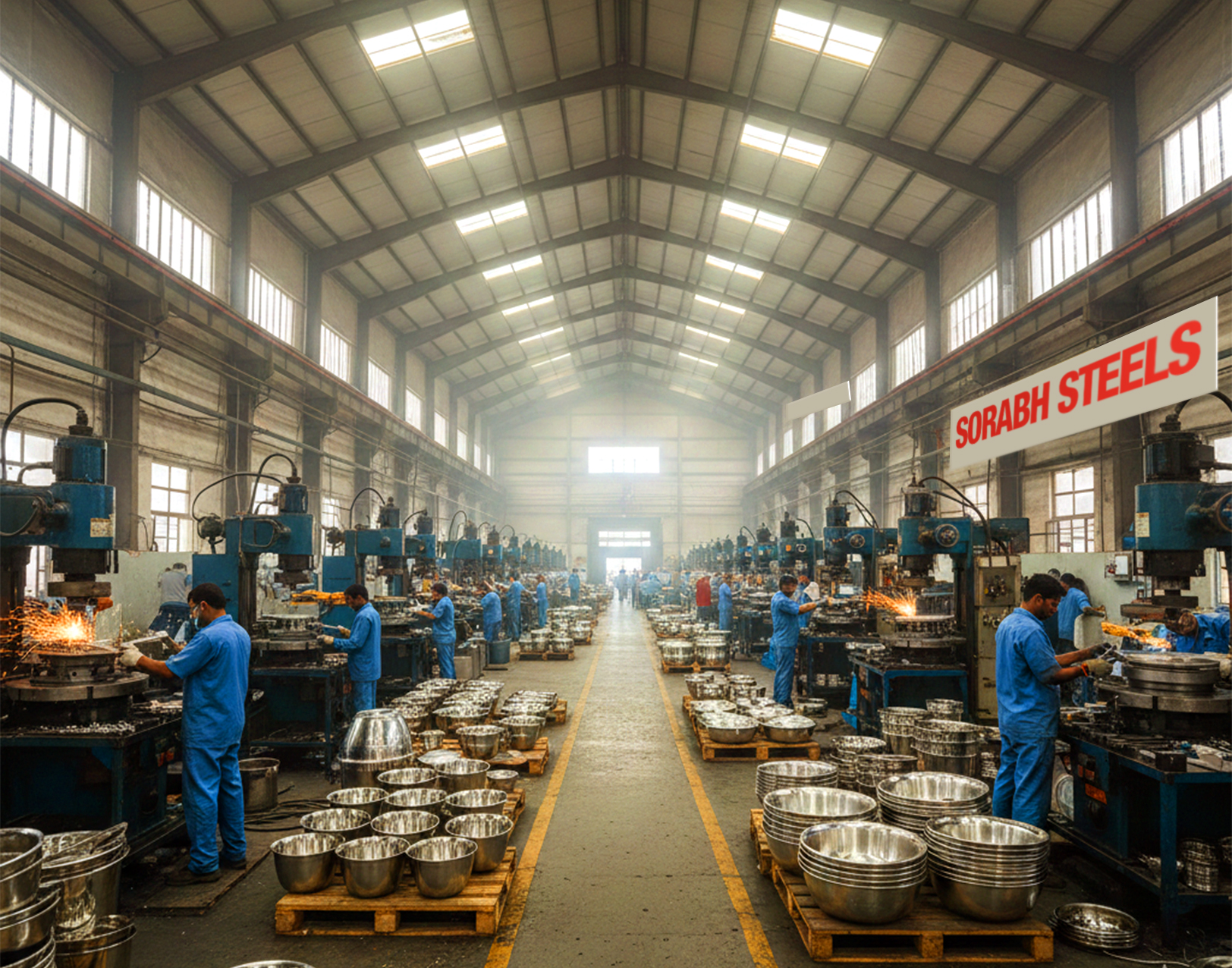
Combining high-capacity automated production lines, custom tool-and-die engineering, and comprehensive quality control for global brand leaders.
Our in-house R&D team provides complete CAD/CAM prototyping, custom deep-drawing dies, and mold development within 15 days. We support bespoke rim profiles, flared pour edges, and specialized handle geometries customized for Nordic brand aesthetics.
Fully computer-controlled electro-anodizing tanks maintain precise electrolyte balance, current density, and temperature control. Every batch undergoes salt spray corrosion testing (ASTM B117), cross-hatch coating adhesion testing, and thermal shock cycles.
We offer complete OEM private-label branding, laser-etched bottom logos, FSC-certified eco-friendly color gift boxes, and drop-test approved e-commerce packaging. Streamlined export shipping to Port of Copenhagen and Port of Aarhus with DDP/FOB terms.
Detailed answers regarding technical specifications, EU food contact compliance, custom OEM branding, and shipping logistics to Denmark.
Our manufacturing facilities comply strictly with EU Framework Regulation (EC) No 1935/2004, Good Manufacturing Practice (EC) No 2023/2006, and the Danish Fødevarestyrelsen national executive order. We provide comprehensive Declarations of Compliance (DoC) with every shipment, supported by independent third-party lab test reports (SGS, TÜV, or Intertek) verifying that heavy metal leach rates (Lead, Cadmium, Nickel) are well below EU regulatory thresholds.
Type II anodizing is primarily decorative, producing an aluminum oxide layer of 10 to 25 microns with a surface hardness around 200 HV. Type III Hardcoat Anodizing (which we use for all our export kitchenware) is performed at sub-zero temperatures with higher current densities, creating an oxide layer of 45 to 55 microns with a surface hardness of 400 to 500 HV. This makes Type III hard anodized cookware scratch-resistant to metal utensils, warp-resistant, and ideal for heavy-duty commercial restaurant use.
Yes. Raw aluminum is non-magnetic, but we bond a heavy-gauge AISI 430 magnetic stainless steel plate to the pan base using high-pressure thermal impact bonding. This induction disc allows efficient magnetic energy coupling, making our cookware fully compatible with induction hobs (Miele, Electrolux, Siemens) widely present in Danish homes and hotels, while preserving aluminum's rapid heat diffusion.
Standard production lead time for OEM container orders is 30 to 35 days post-sample approval. Transit time from Ningbo or Shanghai port to Port of Copenhagen or Port of Aarhus via direct maritime routes is approximately 28 to 34 days. We offer flexible trade terms including FOB, CIF, and DDP (Delivered Duty Paid), handling all export customs documentation, EUR.1 certificates, and Danish import tax compliance.
Absolutely. In alignment with Denmark’s aggressive green transition and environmental protection policies, we offer 100% PFAS-free ceramic sol-gel non-stick coatings derived from natural silicon dioxide (sand). We also supply uncoated hard anodized pans whose microscopic pore structures are sealed purely through high-temperature hydrothermal sealing, providing a natural non-reactive cookware surface without synthetic chemicals.
Our standard MOQ for OEM private-label production (custom laser-etched logo on the cookware base, customized handle insignia, and bespoke FSC color gift boxes) is 500 units per item size. For mixed container loads comprising multiple cookware SKUs, we accommodate lower per-item quantities to assist Danish distributors with inventory management.
While cast iron has high thermal mass, it is heavy, heats unevenly, creates cold spots, and reacts with acidic foods like tomatoes or vinegar unless continuously seasoned. Hard anodized aluminum weighs 65% less than cast iron, boasts 4.5x higher thermal conductivity, distributes heat evenly across the pan floor, and possesses an inert aluminum oxide surface that will never rust or react with acidic foods.
To maximize service life in commercial canteens, hand washing with mild liquid detergents and soft sponges is recommended. However, our Type III hardcoat anodization with sealed oxide layers resists chemical discoloration from standard alkaline dishwashing detergents far better than raw aluminum or standard non-stick cookware.
Expand your brand in Denmark with high-margin, ultra-durable, and fully certified cookware. Request a custom factory quotation, OEM sample kit, or technical catalog today.