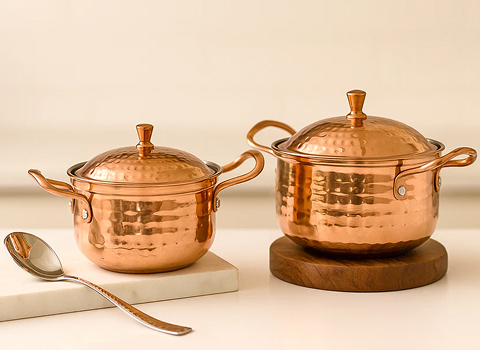
Welcome to the industry whitepaper and product catalog for premier B2B kitchen storage rack manufacturing. Operating with over 31 years of industrial metalworking mastery, 700+ specialized SKUs, and distribution networks spanning 13+ global markets, we engineer commercial storage frameworks built to withstand extreme loads, harsh thermal environments, and high-humidity kitchen conditions.
Explore our flagship product line tailored for heavy-duty cast iron cookware storage, commercial restaurant display, and high-density warehouse kitchen organization. Each unit is constructed with high-yield strength alloys, anti-corrosive powder coatings, and precision-engineered structural reinforcement.
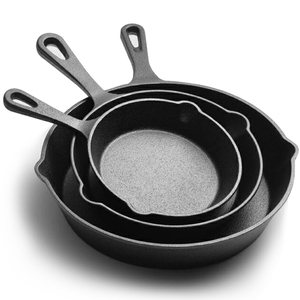
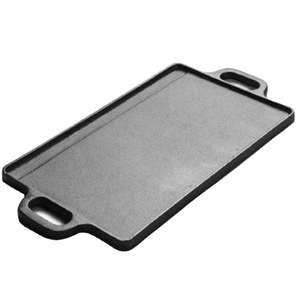
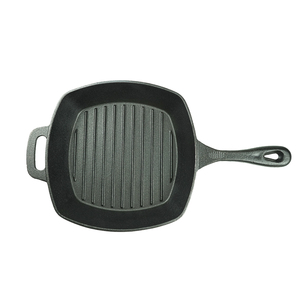
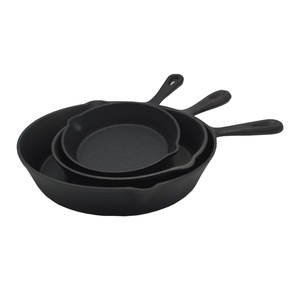
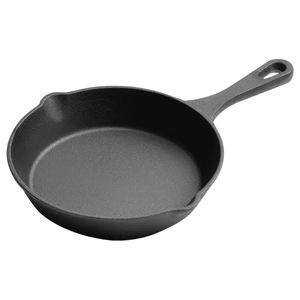
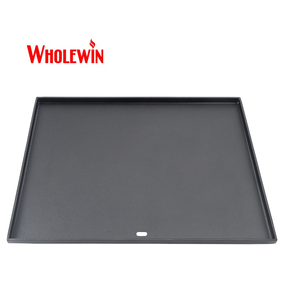

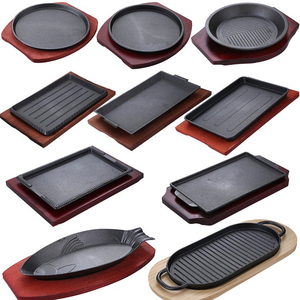
Commercial kitchen storage equipment operates under demanding conditions involving high static loads, sudden dynamic shocks, ambient steam, airborne grease, and chemical sanitizers. Understanding material science and structural physics is critical for procurement directors evaluating long-term ROI.
Every rack framework undergoes rigorous computerized stress modeling to eliminate deflection and structural fatigue. By calculating Uniformly Distributed Load (UDL) limits, our cross-beam rib designs ensure zero sagging even when fully loaded with dense cast iron cookware exceeding 400kg.
Utilizing a multi-stage pretreatment process involving zinc-phosphate washing followed by thermosetting epoxy powder coating, our storage racks achieve ASTM B117 salt spray test ratings of over 500 hours without corrosion, flaking, or rust migration in high-moisture kitchen zones.
Designed with 1-inch incremental collar adjustments, our storage systems allow commercial operators to reconfigure shelf heights on the fly without specialized tools. Open-wire geometry promotes 360-degree air circulation, reducing dust accumulation and optimizing sanitation routines.
Compare alloy performance metrics across standard commercial kitchen storage rack constructions.
| Material / Specification | Tensile Strength (MPa) | Corrosion Resistance | Max Load Rating / Tier | NSF Food Safety Suitability | Estimated Service Life |
|---|---|---|---|---|---|
| SS304 Austenitic Stainless Steel | 515 - 620 MPa | Exceptional (High Humidity & Acid) | 350 kg - 500 kg | Class 1 Direct Food Contact | 25+ Years |
| Powder-Coated High Yield Carbon Steel | 400 - 500 MPa | Superior (Indoors / Anti-Scratch) | 250 kg - 400 kg | Dry & Packaged Storage | 15 - 20 Years |
| SS430 Ferritic Stainless Steel | 450 - 520 MPa | Moderate (Dry Kitchen Areas) | 200 kg - 300 kg | General Storage Approved | 10 - 15 Years |
| Heavy Cast Iron Modular Framework | 200 - 350 MPa | Requires Pre-Seasoning / Oil Film | 450 kg - 600 kg | Heavy Cookware Display | 30+ Years |
| Commercial Anodized Aluminum | 160 - 240 MPa | Good (Lightweight / Rustproof) | 100 kg - 180 kg | Walk-in Coolers Approved | 8 - 12 Years |
As commercial kitchens evolve toward automation, space consolidation, and strict environmental compliance, the global demand for advanced kitchen storage racks is undergoing a technological transformation. Key procurement vectors driving international supply chains include:
With real estate costs for urban commercial kitchens rising by 14% annually worldwide, restaurant operators are transitioning from wide horizontal storage to ultra-dense vertical racking systems. Racks with integrated overhead pulley systems, sliding tracks, and heavy-duty corner units allow kitchens to increase storage density by up to 65% per square meter.
Future supply chain contracts heavily prioritize storage shelving embedded with silver-ion antimicrobial agents. These advanced surface coatings actively suppress bacterial growth, mold spores, and biofilm formation between cleaning cycles—a vital feature for Michelin-star restaurants, hotel banquet operations, and hospital dietary facilities.
Large-scale hospitality groups and cloud kitchen networks are adopting smart heavy-duty storage racks equipped with weight sensors and passive RFID tags. This technology enables automated real-time inventory tracking for cookware, pans, and dry goods, automatically triggering reorders when inventory drops below predefined thresholds.
Environmental, Social, and Governance (ESG) directives across Europe and North America now require importers to verify the carbon footprint of structural steel products. Leading OEM manufacturers in China are leveraging recycled SS304 alloys processed in electric arc furnaces (EAF) powered by renewable energy, reducing embodied carbon by up to 40%.
Founded on a legacy of excellence since 1991, our manufacturing infrastructure combines heavy-gauge automated wire bending, robotic laser welding, and rigorous quality assurance protocols. Guided by executive leaders Rakesh Jain (CEO) and Anmol Jain (Managing Director), our facilities bridge traditional metalworking craftsmanship with modern industrial automation.

Pioneered the expansion of industrial cookware and storage rack manufacturing over three decades. Under his strategic direction, the company has scaled export channels across 13+ global markets.

Spearheads advanced manufacturing automation, quality control integration, and CAD-driven OEM customization programs for international B2B buyers and commercial kitchen distributors.
Our state-of-the-art facility features automated robotic TIG/MIG welding lines, 1000W fiber lasers, dynamic drop-test simulators, and continuous salt-spray corrosion chamber testing for zero-defect delivery.
Comprehensive answers to common technical, logistics, and OEM manufacturing inquiries from global wholesalers, commercial kitchen designers, and purchasing managers.
To ensure supply chain risk mitigation, procurement officers should evaluate potential China kitchen storage rack manufacturers against five core auditing pillars:
Always request Positive Material Identification (PMI) test reports verifying nickel (Ni ≥ 8.0%) and chromium (Cr ≥ 18.0%) content in SS304 stainless steel orders. Substandard alloys (such as substituted 201 steel) will degrade rapidly when exposed to acidic food fumes and cleaning chemicals.
Inspect wire-to-frame joint welds for 360-degree resistance fusion. Spot welds that lack proper penetration will snap under dynamic impact. Verify wire gauge thickness using digital micrometers *after* paint removal to ensure real metal gauge compliance.
Require third-party SGS or TÜV validation for powder coating thickness (standard minimum 80–120 microns) and salt-spray chamber endurance (ASTM B117 minimum 300h for basic storage, 500h+ for moist storage environments).
Partner with manufacturers utilizing automated robotic welding cells and continuous conveyorized powder coating lines. Automation guarantees lot-to-lot consistency, precise tolerances, and reliable lead times during peak seasonal demand.