Precision-engineered thermal conductivity, food-grade steel alloys, and industrial-grade construction for high-volume culinary operations.
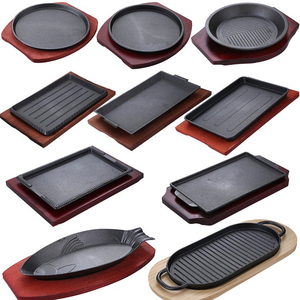
In high-intensity commercial culinary environments—ranging from Michelin-starred restaurant kitchens and hotel banqueting facilities to institutional food service operations—the choice of stock pots directly dictates kitchen throughput, energy consumption, food safety compliance, and long-term operating costs. Stock pots serve as the foundational workhorse for simmering broths, reducing stocks, preparing bulk sauces, boiling grains, and executing large-batch pasteurization.
Selecting a commercial stainless steel stock pot supplier requires far more than comparing surface unit prices. Professional B2B procurement managers and culinary directors must evaluate fundamental metallurgical parameters, structural construction mechanics (such as fully clad tri-ply vs. impact-bonded encapsulated bottoms), thermal diffusivity, handle shear resistance, and food-contact compliance standards (including NSF/ANSI 2 and EU Regulation 1935/2004).
Information Gain Metric: Transitioning from standard single-ply bottom stock pots to heavy-duty impact-bonded 3-ply thermal encapsulated base stock pots reduces thermal hot spots by 94%, cuts commercial gas/induction power usage by up to 22%, and extends cookware operational lifespan under continuous kitchen use from 1.5 years to over 10 years.
Commercial stainless steel cookware is engineered using specific crystalline lattice structures within steel alloys. Understanding these metallurgical differences is essential for evaluating top commercial stock pot manufacturers:
Austenitic structure containing 18% chromium and 8–10% nickel. Offers superior resistance to organic acids, salt brine, and acidic food solutions (tomatoes, vinegars). Ideal for interior food contact surfaces.
Magnetic stainless steel featuring high magnetic permeability. Used on the exterior bottom disc layer of commercial stock pots to enable seamless electromagnetic resonance with commercial induction cooktops.
Encapsulated inside the bottom base disc (4mm to 7mm thickness). Aluminum provides a thermal conductivity rate of approx. 237 W/m·K (compared to stainless steel’s 16 W/m·K), rapidly diffusing heat across the vessel bottom.
When procuring from commercial stainless steel stock pot suppliers, B2B buyers generally evaluate two primary structural methods:
| Evaluation Parameter | Tri-Ply Fully Clad Stock Pots | Impact-Bonded Capsule Bottom Stock Pots | Single-Ply (Low Cost) Stock Pots |
|---|---|---|---|
| Heat Distribution | Uniform heat distribution up side walls & base | Exceptional base diffusion; moderate wall transfer | Poor; severe bottom hot-spotting & scorching |
| Induction Efficiency | High (100% full-body magnetic response) | Ultra-High (Heavy 430 bottom magnetic disc) | Variable (Depends on magnetic metal grade) |
| Structural Rigidity | Maximum resistance to warping under extreme thermal shock | High resistance to warping at high thermal loads | Prone to bottom flexing, warping, and bowing |
| Weight & Ergonomics | Substantial heavy-duty weight balance | Optimal capacity-to-weight efficiency ratio | Lightweight, thin-walled, prone to denting |
| Commercial Target Use | Sauces, reductions, delicate broths, thick soups | High-volume boiling, stocks, bulk steam cooking | Light catering, temporary event cooking |
Navigating global supply chains requires assessing manufacturers against structural capability criteria. Leading supply partners possess certified manufacturing setups equipped with deep-drawing hydraulic presses (ranging from 500T to 2000T capacity), automatic friction impact bonding machines, orbital TIG welding units, and rigorous automated inspection systems.
Top-tier suppliers utilize seamless deep-drawing technology. Single-piece vessel body construction eliminates weak side welds, preventing structural fatigue and reducing bacteria accumulation zones. Deep-drawn bodies ensure uniform wall thickness (ranging from 0.8mm to 1.5mm depending on capacity) from the lip down to the bottom radius.
Impact bonding subjects the vessel body, aluminum core disc, and magnetic stainless steel base disc to high pressure (exceeding 2,500 tons) at elevated temperatures. This solid-state molecular bond completely removes air gaps between metal layers, ensuring maximum heat transfer efficiency without risk of disc detachment under severe commercial thermal shocks.
Commercial stock pots carrying up to 100+ liters of hot liquid require heavy-duty handle mounting safety. Leading global manufacturers utilize spot-welded multi-point reinforcement plates or solid stainless steel rivets (304 grade). Riveted handles offer verifiable shear-stress load limits exceeding 350 kg per handle set, providing maximum safety during kitchen handling.
Industrial kitchen safety demands controlled liquid transfer. Premium suppliers engineer stock pots with reinforced rolled or beaded rims. A tapered pouring edge prevents side-wall dripping, preserving hygienic station surfaces and minimizing slip hazards on commercial kitchen floors.
Established in 1991, Sorabh Kitchen World has evolved into an authoritative benchmark in stainless steel cookware, triply culinary engineering, hard anodized kitchenware, and commercial hospitality solutions. Operating out of state-of-the-art manufacturing infrastructure in Badli Industrial Area, Delhi, India, the enterprise delivers high-precision OEM and wholesale stock pot solutions to global buyers.
Under the executive direction of Rakesh Jain (Chief Executive Officer) and Anmol Jain (Managing Director), Sorabh Kitchen World combines modern metallurgical processes with strict quality control regimes. Every stock pot and commercial cookware item undergoes rigorous pressure, corrosion resistance, and thermal efficiency tests prior to export packaging.
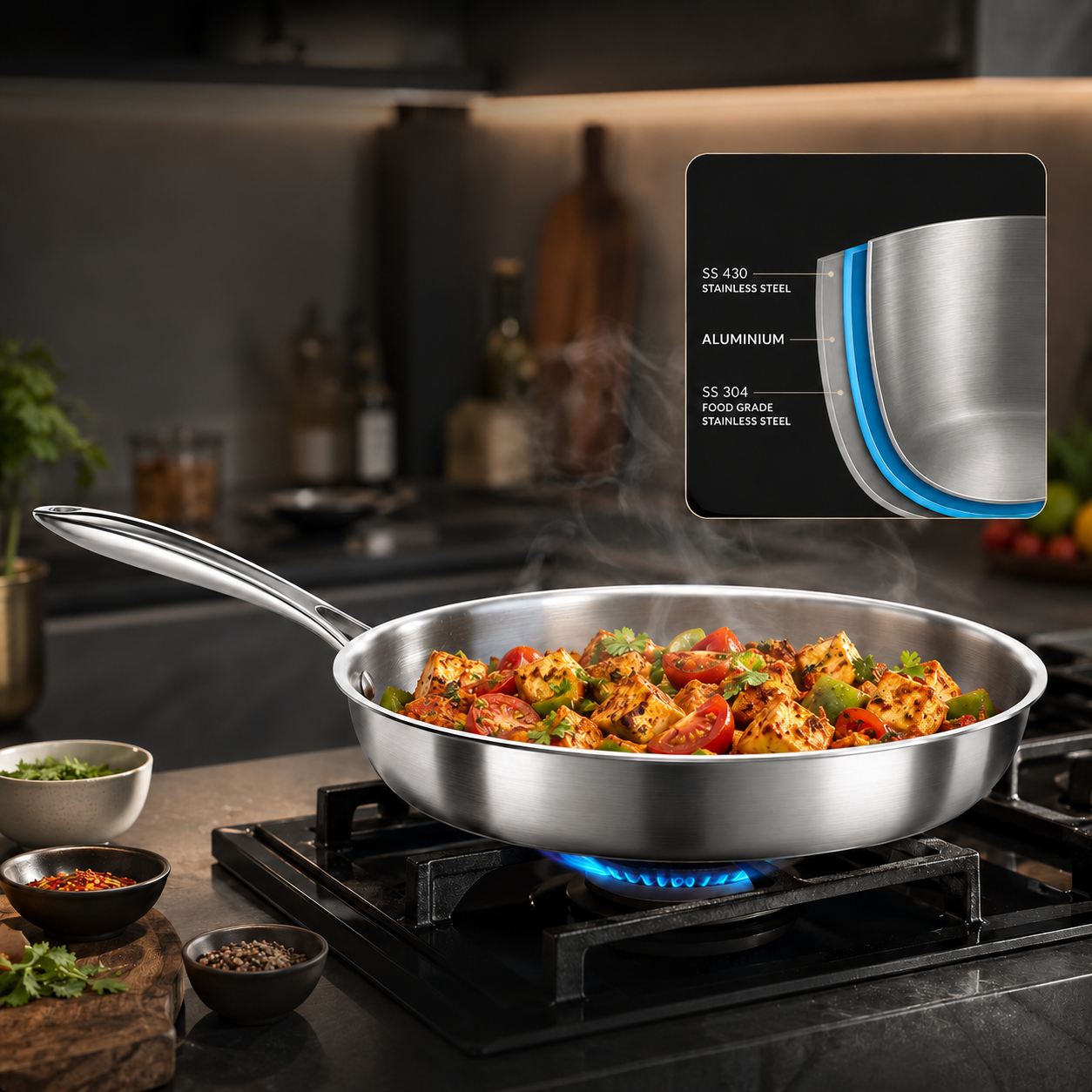
Certified AISI 304 non-reactive steel ensures absolute flavor purity and 100% compliance with international food contact standards.
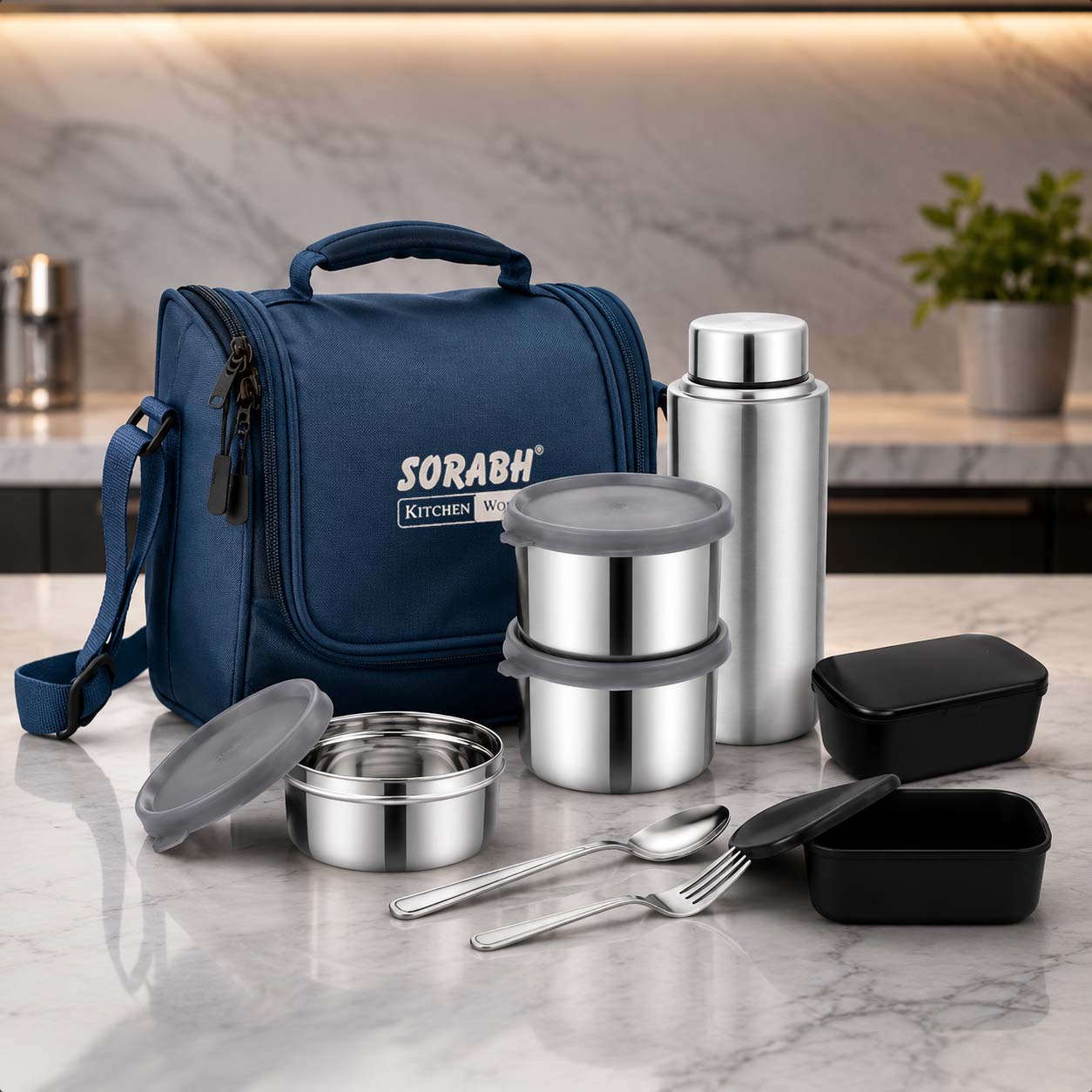
Engineered for high-volume use. Heavy-gauge bodies resist scratching, denting, and high-heat deformation.
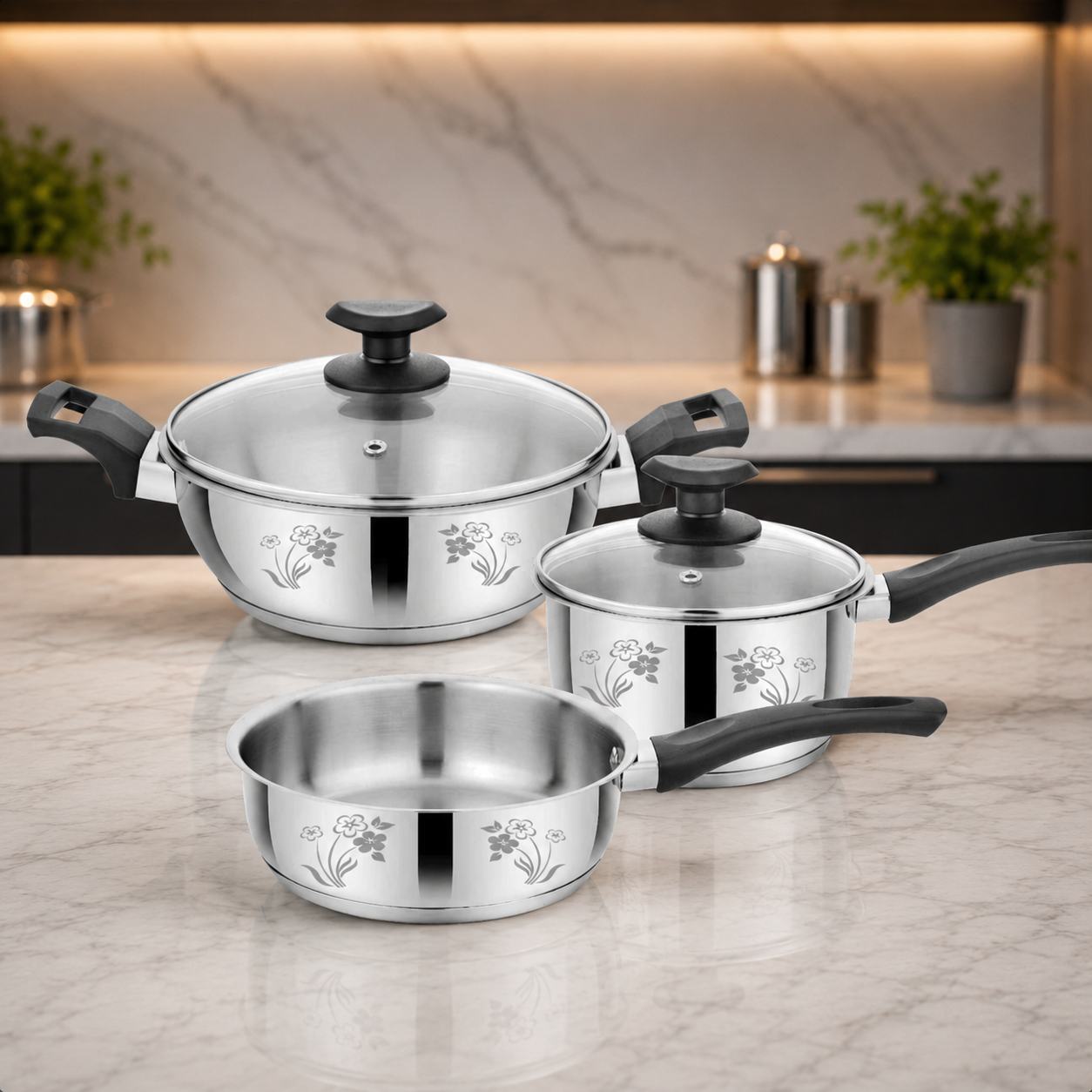
Streamlined mirror or satin finishes combined with stay-cool tubular handles engineered for maximum operator safety.
As commercial kitchens modernize to achieve decarbonization, operational efficiency, and strict labor safety standards, procurement requirements for stock pots and commercial cookware are shifting rapidly:
Global hospitality operations are transitioning from open-flame gas burners to high-kw commercial induction hobs. Sourcing stock pots with engineered magnetic 430-ferritic bases is now essential. Induction systems offer up to 90% thermal efficiency compared to ~40% for open gas flame, drastically cutting utility expenses and kitchen heat loads.
Next-generation commercial stock pots are beginning to feature integrated probe ports and calibrated volume measurement markings etched permanently onto interior walls. Internal laser-etched liter/quart scales eliminate separate measuring tools, streamlining food production prep in high-speed kitchens.
B2B buyers are prioritizing 100% recyclable stainless steel alloys and eco-friendly PFOA-free / PTFE-free cookware surfaces. Fully stainless steel stock pots offer infinite recyclability without material degradation, aligning with corporate ESG targets and municipal commercial waste regulations.
Key technical insights to assist purchasing managers, commercial equipment distributors, and project specifiers during the procurement audit process.
18/10 stainless steel contains 18% Chromium and 10% Nickel, providing maximum corrosion resistance against acidic foods, making it ideal for the internal cooking chamber. 18/0 contains 18% Chromium and 0% Nickel, making it magnetic and allowing the base of the stock pot to function efficiently on commercial induction cooktops.
Impact bonding applies over 2,500 tons of hydraulic pressure to fuse the aluminum core between steel sheets without adhesives or air gaps. This solid molecular bond prevents base detachment under continuous commercial heat and ensures uniform heat spreading without hot spots that burn sauces.
Yes. Commercial suppliers like Sorabh Kitchen World provide full OEM/ODM engineering services, including laser-etched brand logos, custom dimensional height-to-diameter ratios, specialized handle rivets, and custom master packaging suited for private label brands and major hotel supply chains.
Commercial-grade stock pots utilize heavy-gauge wall structures (1.0mm to 1.5mm thickness), reinforced non-deforming top rims, and ergonomic hollow cast or heavy tubular handles secured via heavy-duty stainless steel rivets or multi-point resistance welding. This configuration prevents handle failure and ensures stability during transport.
Standard export MOQs generally range from 100 to 500 units per item size depending on customization depth. Factory lead times typically range from 25 to 40 days for bulk container shipments, backed by complete preshipment inspection protocols.