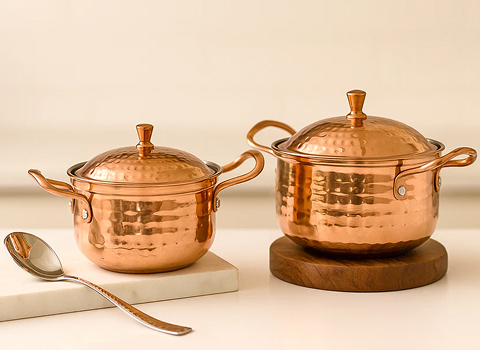
Precision-engineered kitchenware & strainers designed for high-capacity foodservice, institutional procurement, and retail distribution.
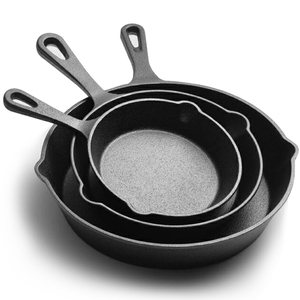
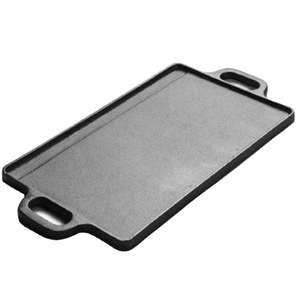
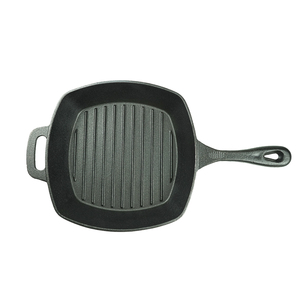
Understanding structural engineering, material science, and manufacturing tolerances for institutional kitchen procurement.
In high-volume commercial dining, hotel food preparation, and food processing plants, colanders are subjected to extreme thermal cycling, acidic liquid exposure (such as boiling salted pasta water, citrus juices, and vinegar washes), and intense mechanical stress. Sourcing high-durability strainers requires rigorous verification of raw material steel composition.
Primary stainless steel alloys utilized in China's top OEM exporting facilities include AISI 304 (18/8 austenitic steel), AISI 316 (marine/acidic grade with molybdenum inclusion), and economy-tier AISI 201 (manganese-alloyed steel). Below is a chemical and mechanical performance benchmark for commercial buyers:
| Steel Grade Standard | Chromium (Cr) % | Nickel (Ni) % | Molybdenum (Mo) % | Corrosion Resistance Index | Recommended Application Domain |
|---|---|---|---|---|---|
| AISI 304 (UNS S30400) | 18.0 - 20.0% | 8.0 - 10.5% | — | Very High (Salt/Steam Resistant) | Commercial Kitchens, HoReCa, Retail Brands |
| AISI 316 (UNS S31600) | 16.0 - 18.0% | 10.0 - 14.0% | 2.0 - 3.0% | Maximum (Acid/Chloride Immune) | Industrial Food Plants, Marine Hospitality |
| AISI 201 (UNS K63017) | 13.5 - 15.5% | 1.0 - 3.5% (High Mn) | — | Moderate (Dry Prep & Light Duty) | Budget Consumer Goods, Promotional Products |
To prevent localized intergranular corrosion and stress-corrosion cracking along perforated punched edges, our factory implements automated acid passivation (conforming to ASTM A967/A967M standards). This process removes free surface iron particles and establishes a robust passive chromium-oxide layer ($\text{Cr}_2\text{O}_3$), guaranteeing 240-hour Salt Spray Resistance (ASTM B117 compliance).
Engineered hole pitch layout (1.8mm to 2.5mm precision-punched micro-apertures) creates maximum fluid expulsion velocity while preventing small grains, quinoa, or thin pasta noodles from lodging in perforations. Increased hole density yields up to 40% faster drainage than conventional slotted colanders.
Constructed utilizing multi-stage hydraulic deep-drawing presses (up to 800-ton press capacity). Seamless single-piece body construction eliminates dirt-trapping internal seams, ensuring hygiene compliance under NSF/ANSI Standard 2 for food equipment contact.
Heavy-duty commercial usage demands ergonomic tubular or cast handles secured by continuous TIG (Tungsten Inert Gas) welding or multi-point solid steel rivets. Tensile load tests confirm joint stability up to 45kg load without weld fatigue or rim deformation.
As global supply chains adjust to carbon neutrality targets, enhanced food safety regulations, and automation demands, commercial buyers sourcing from China factory hubs must align with four overarching structural trends:
Over three decades of manufacturing excellence, global distribution capacity, and strict quality control standardizations.
Since 1991, our production facilities (rooted in deep metallurgical experience and state-of-the-art tooling) have supplied over 700 active kitchenware product lines across 13 global regional markets.
Equipped with an in-house CNC mold-making workshop. We rapidly prototype custom colander shapes, base ring configurations, silicone-overmolded handles, and stamped brand logos within 14 business days.
Every shipment is backed by Material Test Certificates (EN 10204 3.1 MTC), FDA 21 CFR 175.300 compliance reports, EU LFGB food-grade standard certificates, and ISO 9001:2015 quality management tracking.
Clear answers regarding bulk orders, minimum order quantities (MOQ), quality control, and shipping logistics.
Our standard production line MOQ starts at 1,000 units per size for standard catalog items in AISI 304 steel. For fully customized deep-drawn molds, laser embossed branding, or specialized color PVD coatings, MOQ is generally 2,000 units per batch.
We conduct X-Ray Fluorescence (XRF) spectrographic chemical testing on all raw coil arrivals. Every production lot includes a certified Material Test Report (MTR) detailing exact Nickel, Chromium, and Carbon percentages to ensure compliance with food safety specifications.
Yes. We manufacture heavy-gauge pedestal colanders equipped with wide solid-ring bases or tripod welded feet. Base rings elevate food elevated above sink drainage zones, maintaining strict hygiene standards in commercial kitchen workflows.
We provide multiple surface treatment options: High-Mirror Polish (Ra < 0.2 µm), Industrial Satin/Satin Brush, Electro-polished anti-bacterial finish, and PVD Vacuum Color Coating (Gold, Rose Gold, Matte Black) for premium retail catalog lines.
Initial OEM sample approval takes 7 to 10 days. Mass production lead time for a standard 40ft High Cube (40HQ) container (approx. 15,000 to 25,000 colander units depending on nesting design) is 30 to 35 calendar days following deposit receipt.
Each unit is encased in a protective polybag (or biodegradable micro-foam sleeve), nested with cardboard separator dividers, and boxed into double-wall 5-ply corrugated shipping cartons designed to pass ISTA 3A drop tests for international freight shipping.
Direct factory contact for global distributors, commercial kitchen equipment importers, and retail supermarket chains. Get your customized product catalog and factory direct quotation within 24 hours.