
Knowledge & Culinary Guides

Cookware Insights & Kitchen Innovations

Discover expert tips, manufacturing standards, and guides for stainless steel, triply, and modern kitchenware.

Triply & Non-Stick Technology

Smart Choices for Modern Kitchens

Learn how food-grade stainless steel and ergonomic designs improve everyday cooking safety and efficiency.

Commercial & Home Solutions

Craftsmanship & Quality Excellence

Trusted insights from India's pioneering cookware manufacturer with over three decades of legacy.

0%

Buying Triply Stainless Steel Cookware can feel simple until two pans look nearly identical. Their polished surfaces may hide major differences in construction, thickness, balance, and finishing quality. A reliable buying decision begins with the three-layer design: stainless steel inside and outside, with an aluminum core that spreads heat. However, layer count alone does not guarantee excellent performance.

This guide introduces seven practical tips for comparing cookware with greater confidence. You will learn how to inspect the cooking surface, assess weight, check handle attachment, and understand compatibility with induction, gas, and electric stovetops. Pay attention to manufacturer specifications, warranty terms, and food-contact safety information from reputable sellers. Those details often reveal more than attractive product photographs. Small clues matter. A flat base, secure rivets, and an even rim can make daily cooking noticeably easier.

Real kitchens also expose weaknesses that advertisements overlook. A pan may heat evenly but feel awkward when lifted. A heavy pot may retain heat well but become tiring during washing. I have found that “premium” does not always mean practical. That judgment can be wrong. Measuring the pan, reading verified customer experiences, and considering your cooking habits can prevent disappointment. Whether you prepare delicate sauces, seared vegetables, or weeknight pasta, the right Triply Stainless Steel Cookware should offer controlled heating, comfortable handling, and dependable durability. These seven tips will help you compare claims with evidence before spending your money.
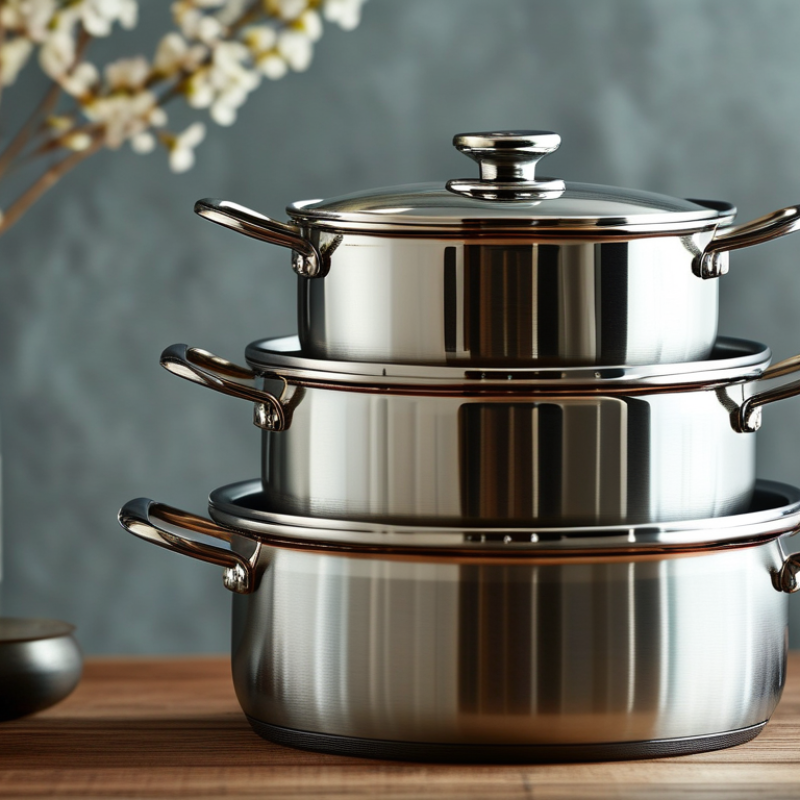
7 Tips for Buying Triply Stainless Steel Cookware?

Understand Triply Stainless Steel Construction and Its Benefits

Triply stainless steel cookware uses three bonded layers to manage heat more evenly. Food touches stainless steel, while an aluminum core transfers heat quickly. The outer stainless layer adds strength and may support induction cooking. Check the product specifications before assuming compatibility. This construction resists warping better than thin, single-layer pans. It also avoids a coating that can scratch or peel during normal use.

In practice, a triply skillet heats steadily across the base and sides. That helps when searing chicken, simmering sauce, or reducing stock. However, it does not eliminate hot spots completely. The burner size, pan thickness, and construction quality still matter. A heavy, flat base usually feels more stable. Look for clean seams, firmly attached handles, and a balanced weight. Too much weight can become tiring during frequent cooking.

Heat control remains essential. Preheat the pan over medium heat, not maximum power. Add oil after the surface warms, then place the food inside. I still occasionally overheat stainless steel and create stubborn brown marks. A short soak usually helps, but harsh scrubbing can dull the finish. Salt may also leave marks if added before water reaches a boil. Good triply cookware is forgiving, though not careless-proof. Its performance depends on both layered design and patient technique.

Evaluate Core Materials, Heat Distribution, and Cooking Performance

7 Tips for Buying Triply Stainless Steel Cookware

Triply cookware usually sandwiches an aluminum core between stainless-steel layers. That core matters. ASM International’s ASM Handbook, Volume 2, lists aluminum near 205 W/m·K. It lists 304 stainless steel at about 16 W/m·K. This contrast helps aluminum spread heat across the base, while stainless steel provides a durable cooking surface. Still, “triply” alone proves little. Check the core thickness, pan flatness, and bonded sidewalls. Ask for measured construction details, not vague claims.

Heat distribution should be tested, not simply advertised. Warm the pan gradually on medium heat, then add the same small amount of oil across its surface. Watch for early dark spots near the center or edge. An infrared thermometer can help, but its readings vary with surface finish. That limitation is easy to overlook. A heavier base may retain heat better, yet it can respond more slowly when the burner setting changes. Your cooking habits matter, too.

Cooking performance means stable temperatures, controlled browning, and predictable recovery after adding cold food. USDA FSIS guidance sets poultry at 165°F. It lists 145°F for whole cuts of beef, pork, veal, and lamb, followed by three minutes of rest. A well-designed core cannot replace a thermometer or careful technique. I would also inspect the handle connection, rim, lid fit, and compatibility with induction cooking. Small design details often decide whether a pan feels balanced during daily use.

Choose the Right Size, Shape, and Cooktop Compatibility

7 Tips for Buying Triply Stainless Steel Cookware

Choosing triply stainless steel cookware starts with your kitchen, not the catalog photograph. Measure your largest burner and storage shelf. A 10-inch skillet suits two people, while a 12-inch skillet handles family portions. Very small pans heat quickly, but they crowd easily. I learned this after buying a wide sauté pan that overhung my electric ring. The edges cooked slowly. Measure twice.

Shape changes daily control. Straight sides maximize capacity for rice, pasta, and sauces. Sloped sides make tossing vegetables easier. A rounded interior corner helps a whisk reach trapped sauce. Look for a flat, stable base and a comfortable handle angle. Heavy cookware can retain heat well, yet it may strain your wrist. That trade-off deserves honest attention.

Cooktop compatibility matters just as much. Induction requires a magnetic base; test it with a household magnet before purchase. Gas burners reward a stable base and a handle that stays cool enough to grip safely. Electric and ceramic surfaces need smooth, flat bottoms to maintain contact and avoid scratches. Check whether the pan and lid tolerate your intended oven temperature. Not every stainless handle is equally practical. If you cook in batches, choose two complementary sizes instead of one oversized set. I still prefer a pan that fits the burner, dishwasher rack, and cabinet. Those details are unglamorous, but they determine whether the cookware gets used.

Inspect Handles, Lids, Weight, and Everyday Usability

7 Tips for Buying Triply Stainless Steel Cookware

Triply construction usually combines stainless steel with an aluminum core for steadier heating. The World Stainless 2024 statistical report recorded about 58.4 million tonnes of crude stainless steel production in 2023. That scale supports stainless steel’s broad use, but it does not guarantee good cookware. Inspect the handle rivets closely. They should feel tight, smooth, and secure, without sharp edges. A handle that stays cooler is helpful, yet any metal handle may become hot near an oven or burner.

Lift the pan before buying. Weight should suggest stability, not exhaustion during daily cooking. A heavy skillet can resist movement, but it may strain your wrist when draining pasta. I once chose a pan that felt impressively solid; after several weeks, I avoided using it. That was a poor judgment. Check the lid too. It should sit evenly, leave little wobble, and have a knob large enough for wet fingers. A visible steam vent can reduce rattling, though it is not essential.

Everyday usability matters more than polished appearance. The FDA Food Code 2022 emphasizes smooth, corrosion-resistant, cleanable food-contact surfaces. Look for an interior without deep scratches, exposed layers, or awkward seams. Test the pan on your own cooktop if possible. Does the handle hit another burner? Can you pour with one hand? Small details decide whether cookware becomes useful or stays in a cabinet. Measure storage space as well. A perfect pan may still be inconvenient.

7 Tips for Buying Triply Stainless Steel Cookware

Inspect handles, lids, weight, and everyday usability before buying. The chart below uses the geometric cooking area of common pan diameters, calculated as π × radius², to show how size affects practical capacity.

Use this measurement together with the seven checks: secure handles, tight-fitting lids, balanced weight, flat cooking surfaces, comfortable grip, suitable diameter, and easy daily cleaning. Actual usable cooking space may be slightly smaller because of curved sides.

Compare Durability, Maintenance, Warranty, and Overall Value

Buying triply stainless steel cookware requires more than admiring its polished surface. The three-layer construction should feel balanced, with a thick aluminum core between stainless steel walls.

Tip 1: Check the base and rim for even finishing. Sharp edges suggest rushed manufacturing.

Tip 2: Lift each pan. A very light pan may heat unevenly, while excessive weight can make daily cooking tiring. I once chose weight over comfort and regretted it.

Tip 3: Ask how the cookware handles repeated heating and cooling. Durable construction should resist warping, but no pan welcomes sudden temperature shocks.

Tip 4: Inspect the handles and rivets. They should remain stable when carrying a full pot.

Tip 5: Consider maintenance honestly. Stainless steel usually tolerates metal utensils, yet burned oil still needs patience, warm water, and gentle scrubbing. It is not magically stain-proof.

Tip 6: Confirm whether the cookware works with your stovetop, including induction. Some attractive sets perform poorly on certain surfaces.

Warranty terms reveal the seller’s confidence, but read the exclusions carefully.

Tip 7: Look for clear coverage on warping, loose handles, and manufacturing defects. A short warranty may reduce the apparent bargain.

Compare the coverage period, return window, replacement process, and shipping responsibilities. Overall value depends on cooking frequency, repair support, and usable design, not the lowest price. A slightly imperfect finish may be harmless, but inconsistent heating is not. Check independent reviews, measure your storage space, and choose pieces you will actually use.

FAQS

What is triply stainless steel cookware?

It uses three bonded layers. Stainless steel touches the food, while an aluminum core spreads heat quickly.

Does triply cookware heat completely evenly?

It usually heats the base and sides more steadily than thin, single-layer pans. Hot spots can still appear. Burner size and pan thickness matter.

Can triply cookware work on induction stovetops?

Often, the outer stainless layer supports induction cooking. Check the product specifications first. Do not assume compatibility.

How should I preheat a triply stainless steel pan?

Preheat it over medium heat, not maximum power. Add oil after the surface warms, then place food inside.

How can I avoid stubborn brown marks?

Use moderate heat and avoid burning oil. Soak the pan briefly with warm water, then scrub gently. Harsh scrubbing may dull the finish.

What should I inspect before buying a pan?

Check clean seams, smooth rims, tight rivets, and firmly attached handles. Lift the pan. It should feel stable, not exhausting.

Are heavy triply pans always better?

Not always. More weight may improve stability, but it can strain your wrist when draining pasta. I once chose weight over comfort and regretted it.

What makes a lid and handle practical?

The lid should sit evenly with little wobble. A large knob helps with wet fingers, while a steam vent may reduce rattling.

How durable is triply stainless steel cookware?

Its layered construction generally resists warping better than thin cookware. Sudden temperature changes can still damage any pan.

What should a cookware warranty cover?

Look for coverage covering warping, loose handles, and manufacturing defects. Read exclusions, return periods, replacement steps, and shipping responsibilities. A cheap set may not be the best value.

Conclusion

Choosing Triply Stainless Steel Cookware starts with understanding its three-layer construction, which typically combines stainless steel with a heat-responsive core for more even heating and better temperature control. When comparing options, examine the core material, heat distribution, and cooking performance to ensure the cookware can handle tasks ranging from gentle simmering to high-heat searing. Also consider the size and shape of each piece, along with compatibility with your cooktop, especially if you use induction.

Everyday usability is equally important. Look for secure, comfortable handles, well-fitting lids, balanced weight, and designs that are easy to move and store. Before making a purchase, compare durability, cleaning and maintenance requirements, warranty coverage, and total value rather than focusing only on the initial price. The best Triply Stainless Steel Cookware should offer reliable performance, long-lasting construction, practical convenience, and flexibility for your regular cooking needs.

Oliver

Oliver

Oliver is a professional marketing specialist dedicated to helping customers understand how thoughtful products and reliable business solutions can make everyday operations more efficient. With extensive knowledge of the company’s product portfolio, applications, and service standards, he creates......